
Exclusive in Banja Luka
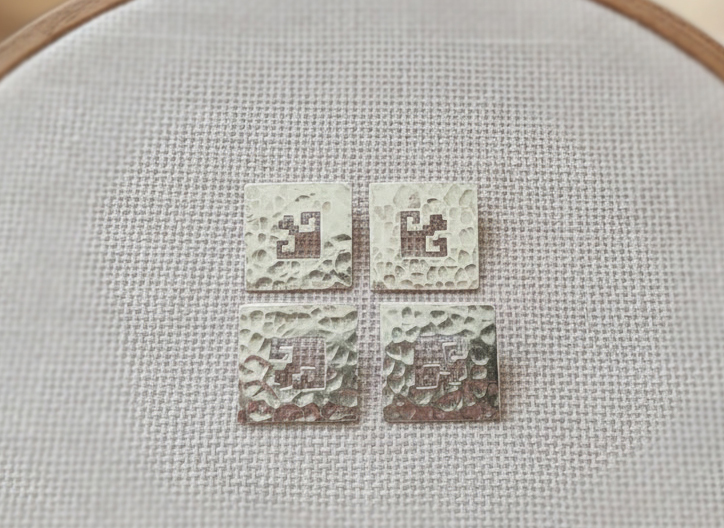
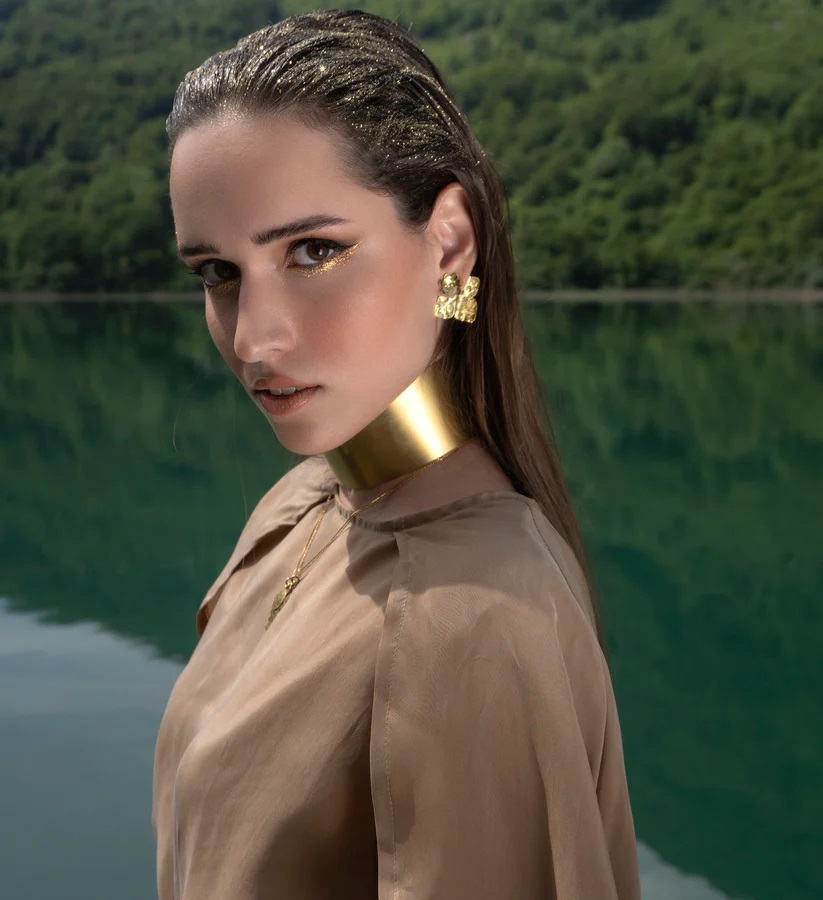
“ZMIJANJE – Mosaic of the Soul” is an exclusive collection inspired by the traditional Zmijanje embroidery. Zmijanje embroidery is a specific technique of embroidery practised by the Serbian women of villages in the area of Zmijanje on mountain Manjača, near Banja Luka in Bosnia and Herzegovina. In 2014 it was included in the UNESCO Representative List of the Intangible Cultural Heritage of Humanity.
This jewellery collection brings tradition into a new form. Geometric motifs, rhythmic lines, and the symbolism of heritage are transformed into contemporary authorial designs – a reminder that a story belonging to the past can continue to live today.
Because heritage is not only what we preserve. It is also what we continue to create.
The collection is available at Galerija PLUS in Banja Luka.
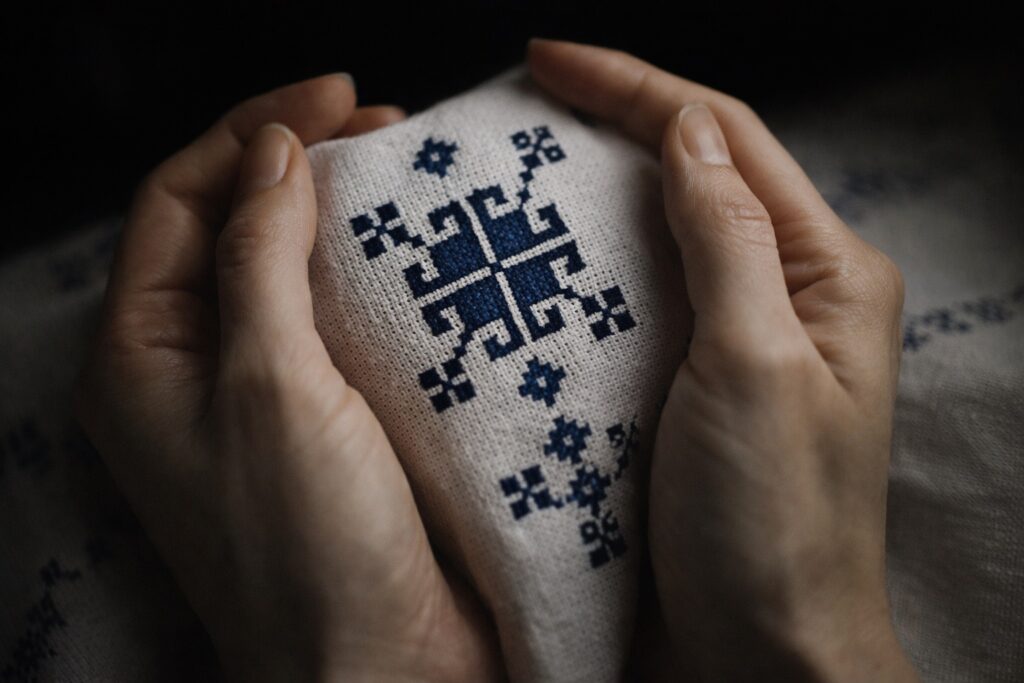
“ZMIJANJE – Mosaic of the Soul” CONCEPT
Zmijanje does not treat traditional embroidery as an ornament, but as a code. The motif is broken down into mosaic fragments – parts of a sign that function as individual pieces of jewelry. Only through their mutual relationship does a whole emerge. Identity is not built all at once; it arises through the relationship between the parts and the whole they create together.
Instead of literally transferring the ornament, a contemporary system of signs has been developed – one in which the motif is not reproduced but deconstructed, questioned, and rebuilt.
The foundation of this system consists of three interconnected segments, expressed through the three Premium segments of the collection:
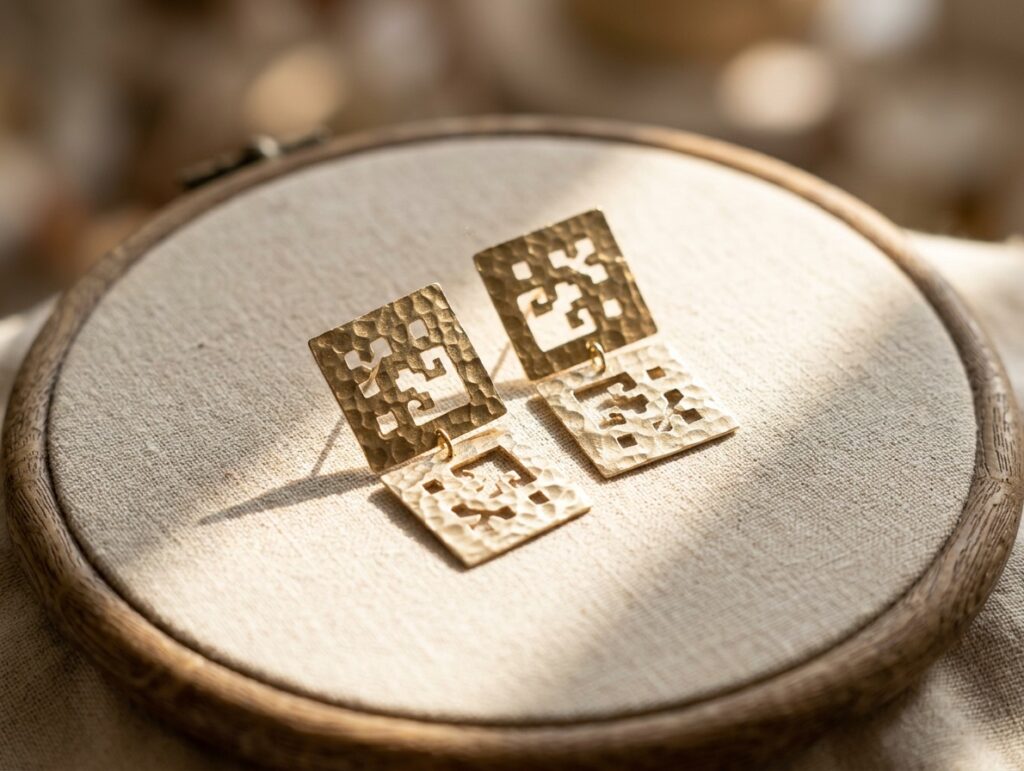
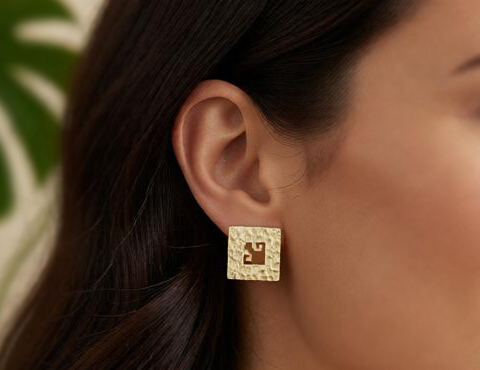
Two – Voice Earrings
These introduce the principle of relationship and balance. As a pair, they do not repeat the sign but articulate it in two voices – left and right, identical and different, individual and paired. The sign is divided, yet not lost; it exists through mutual listening and harmony, like embroidery created through repetition and rhythm.
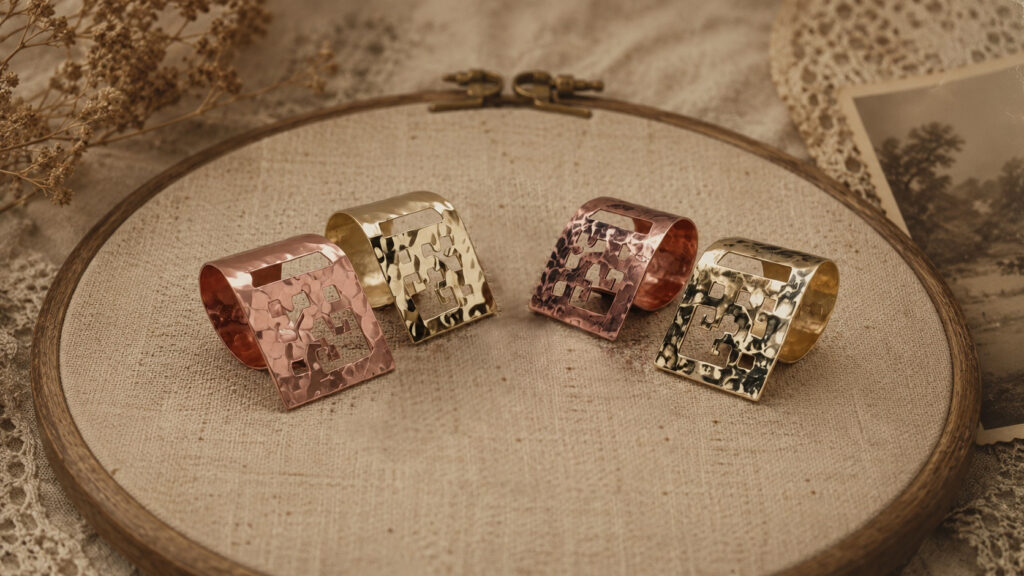
Four – Point Rings (Set)
This segment breaks down the sign into elements and states of matter – brass and copper, shine and patina – introducing the idea of time, duration, and personal choice. Each ring represents one state of the symbol, while together they form an open dialogue between material and meaning.
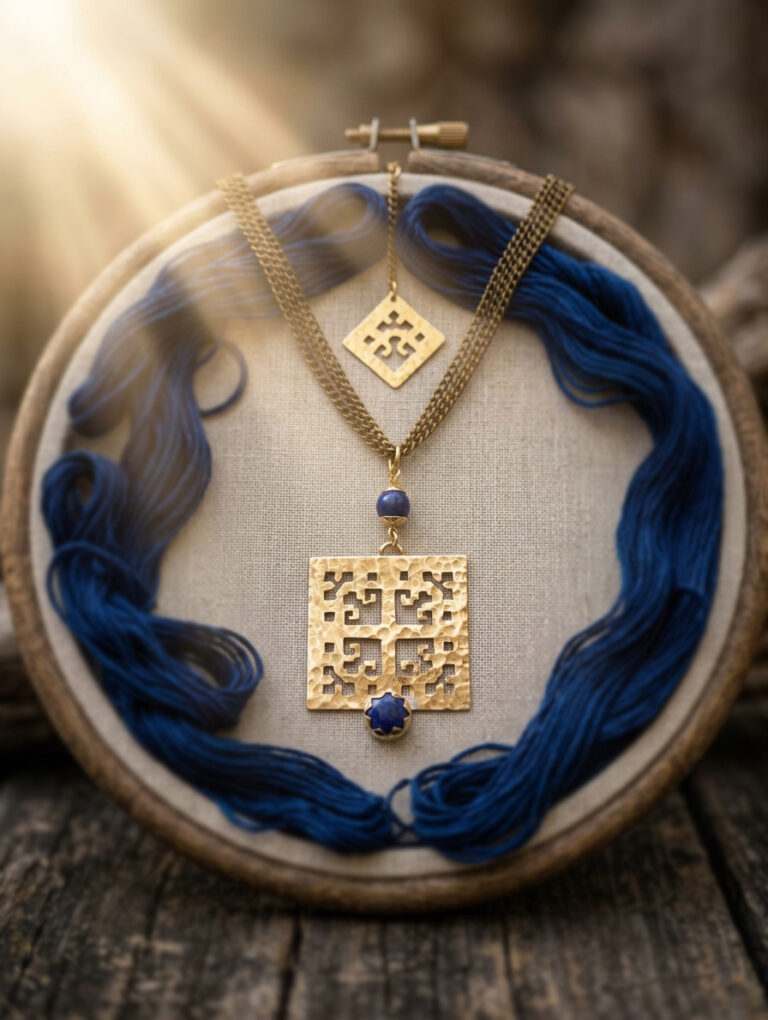
Zmijanje Necklace – The Point of Convergence
This piece completes the system. It condenses the entire sign into a single vertical form, crowned with a lapis lazuli stone whose deep blue shade evokes the traditional dark-blue color of Zmijanje embroidery. The stone is not a decorative accent but a bearer of color, memory, and continuity.
Together, the rings, earrings, and necklace do not function as individual ornaments but as parts of a single sign placed in space. The collection does not speak of tradition as a finished form, but as a living system – one that can be worn, altered, and reinterpreted.
The Zmijanje – Mosaic of the Soul collection establishes a dialogue between materials, symbols, and personal memory, affirming jewelry as a contemporary artistic medium.
The collection also includes pieces composed of intentionally isolated fragments of the core sign, which retain symbolic and formal ties to the premium collection but are distilled into forms intended for everyday wear. There are also pieces that express the rhythm and geometry of the foundational sign translated into a minimalist form.
Exclusive in Sarajevo
Exclusive jewelry collections were created for the concept store “Bazerdžan”. The collections are divided into: “Guardians of Nature” Collection, “Guardians of Heritage” Collection and “Timeless Collection”. Jewelry from this collections are exclusively available in their store in Sarajevo. In addition to motifs representing protected plant and animal species of Bosnia and Herzegovina, there are also pieces that reflect the country’s historical heritage as well as timeless designs found in certain creations.
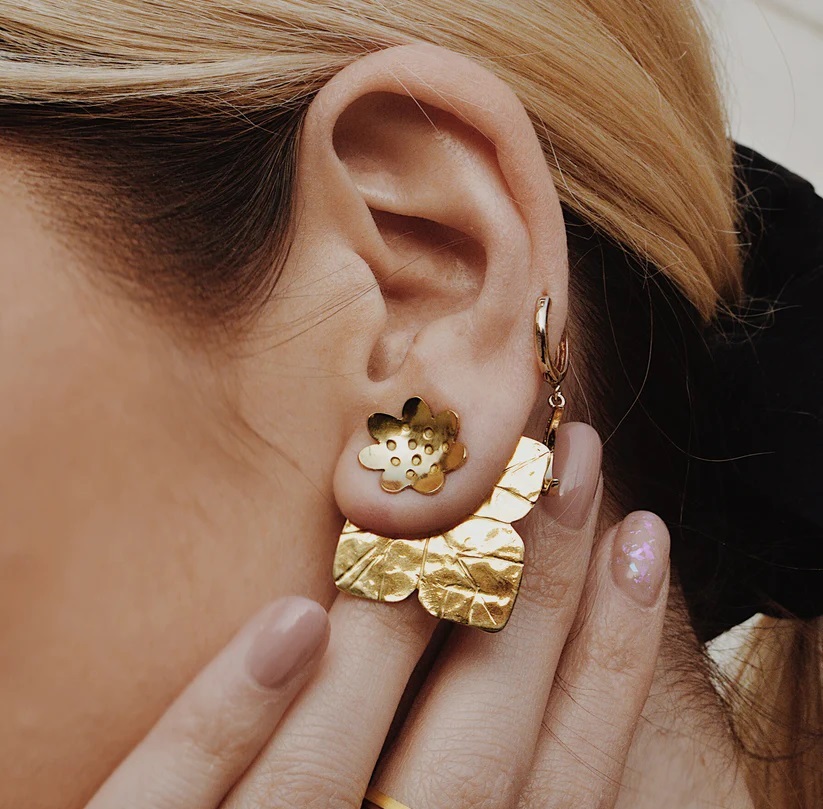
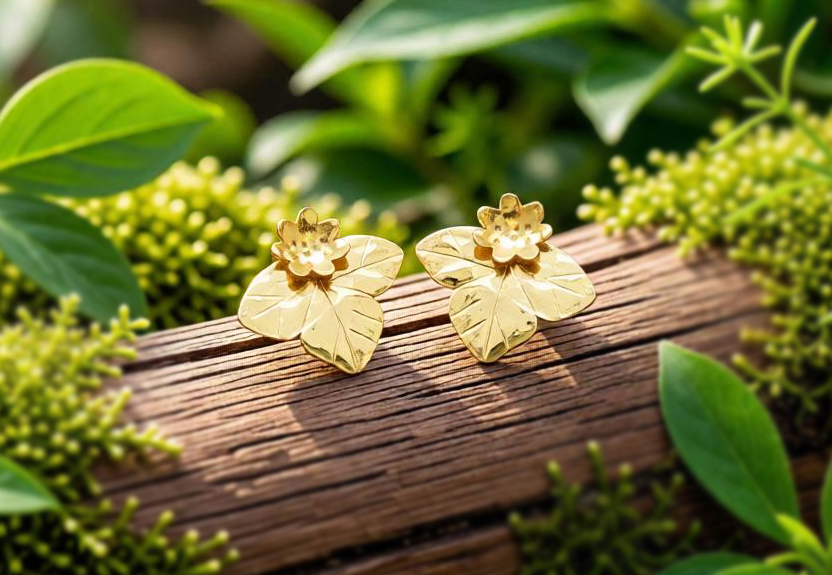
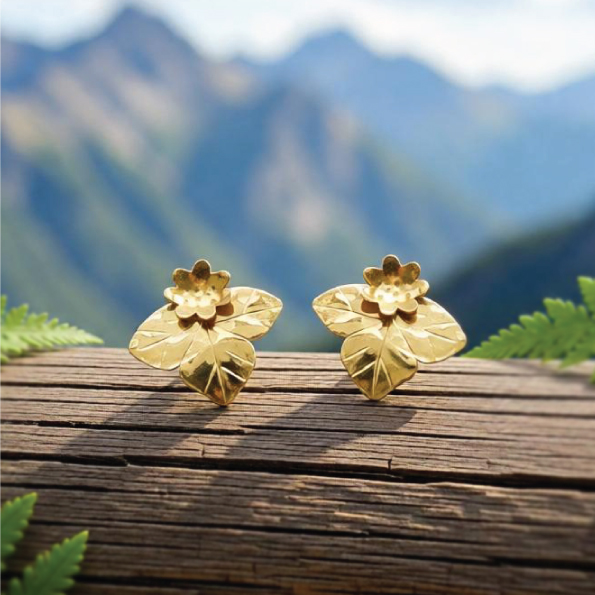
BOSNIA & HERZEGOVINA PROTECTED PLANT – LIVERLEAF (HEPATICA NOBILIS) – “Guardians of Nature” Collection
A symbol of strength, tenderness and new beginnings.
Liverleaf is an endangered species and needs protection from picking and destruction, so it is important to preserve it and not pick it in the wild.
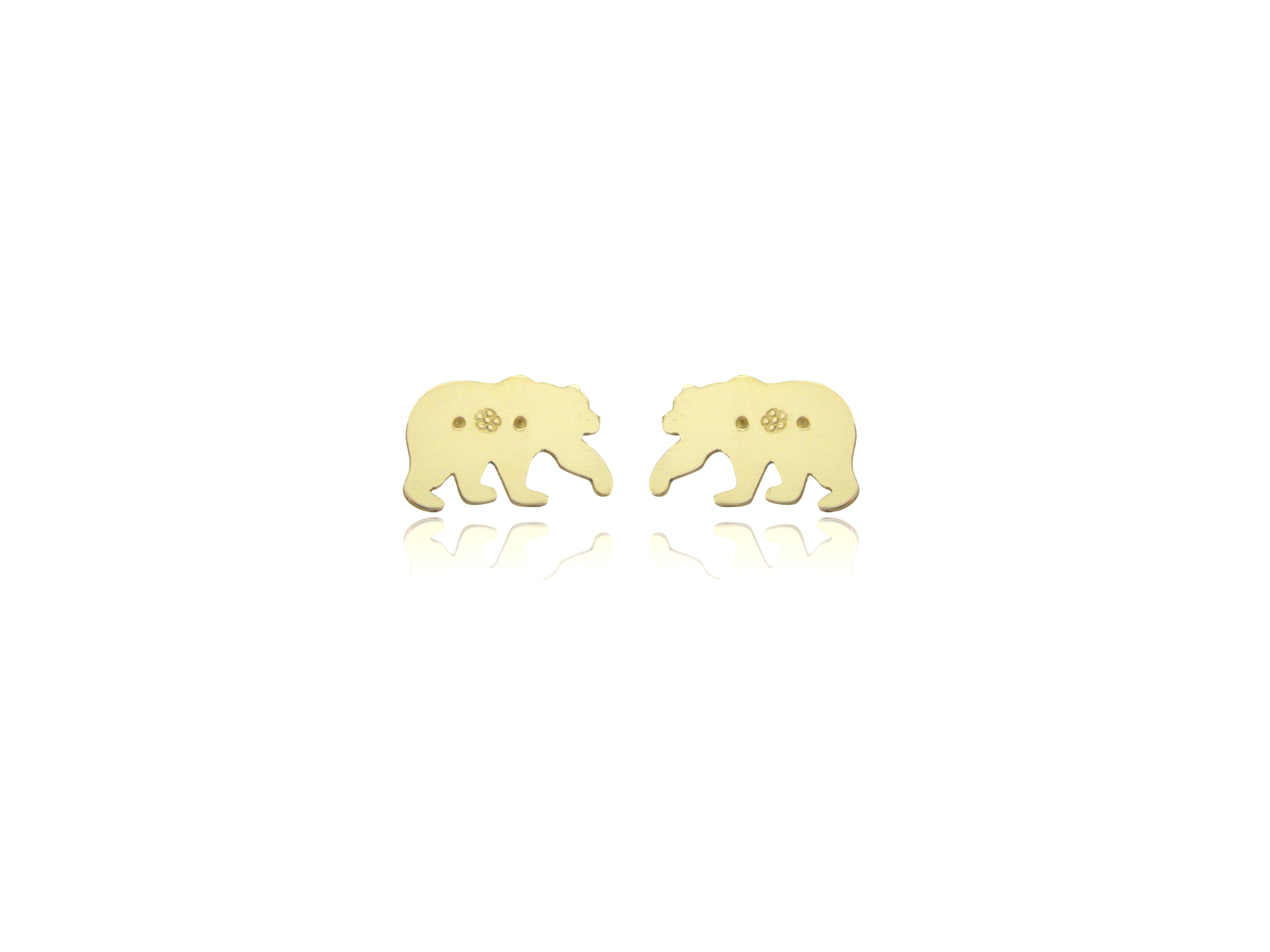


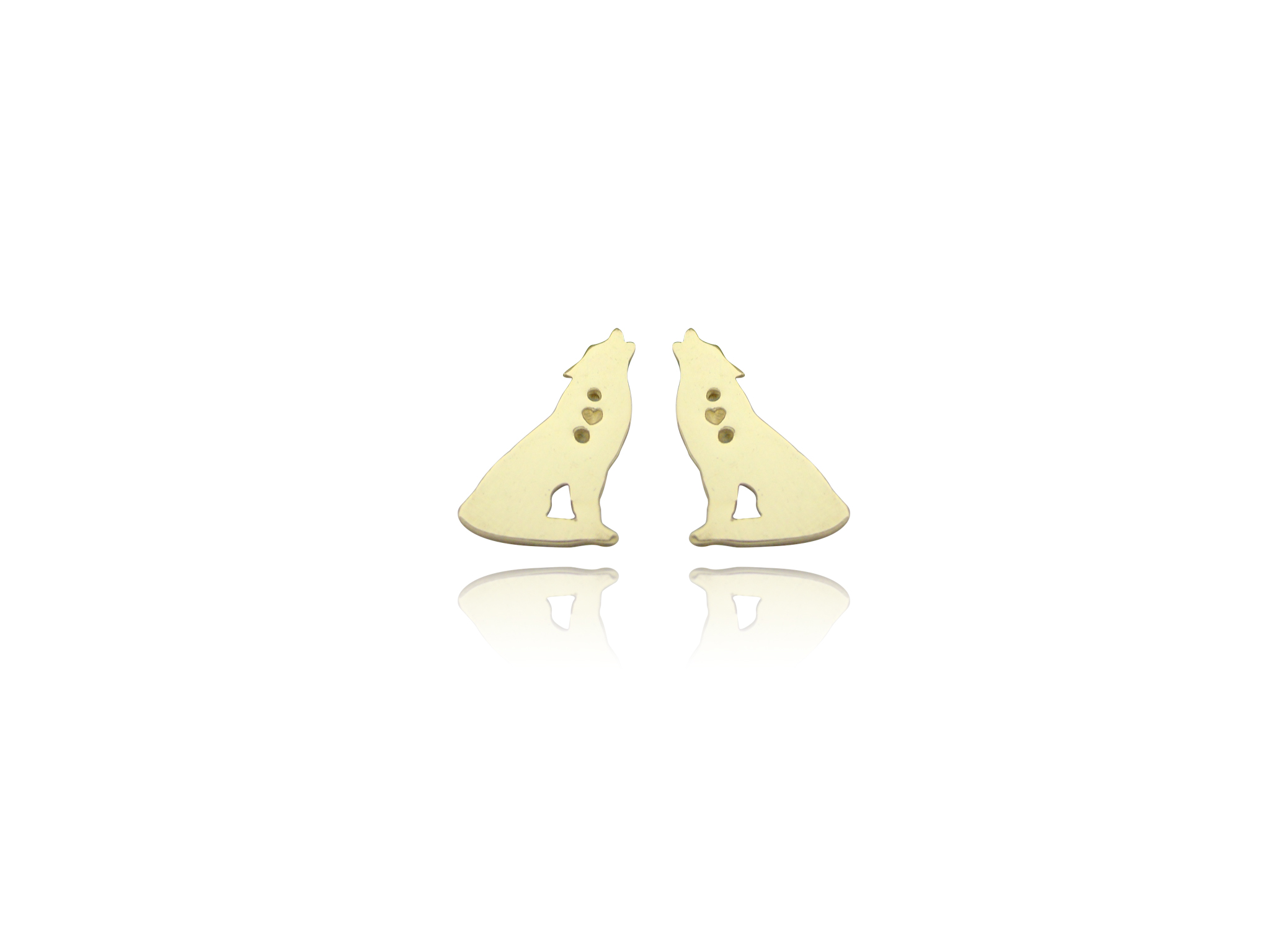
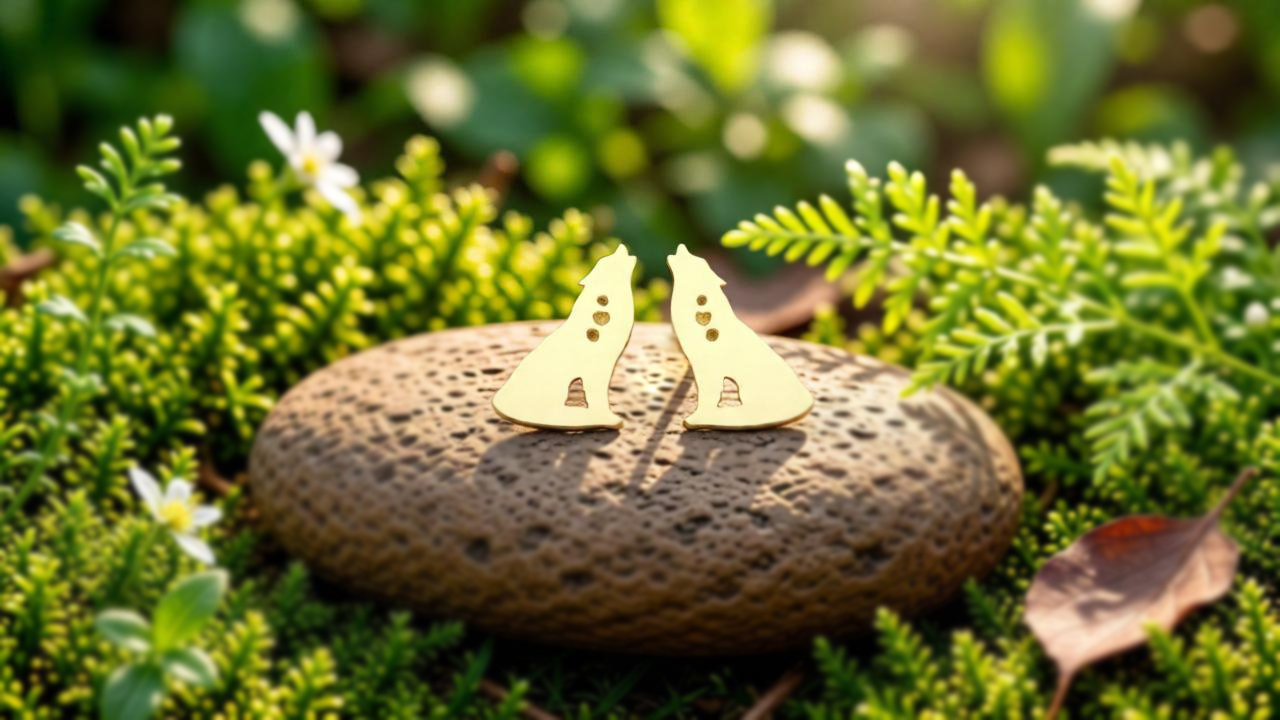

BOSNIA & HERZEGOVINA PROTECTED ANIMAL SPECIES – “Guardians of Nature” Collection
BROWN BEAR – A symbol of strength and courage.
A rare and protected species.
WOLF – A symbol of loyalty, freedom and intuition.
A protected species.


COLLECTION INSPIRED BY MOTIFS FROM STEĆCI (Monumental stone slabs from the 12th to 16th centuries in Bosnia and Herzegovina) – “Guardians of Heritage” Collection
SVETOVID – GOD OF THE SUN AND GOD OF WAR was a pre – Christian supreme deity of the Baltic Slavs. It was believed that Svetovid had four heads, with each head looking in the direction of one of the cardinal points. Svetovid was believed to control military campaigns and successes, trade journeys, and the prosperity of the harvest. He simultaneously held a bow or sword in his hands as a symbol of war, and a drinking horn, which symbolized abundance. It was believed that Svetovid rode a white horse with the power of foresight and could predict the outcome of battles with certainty.
The Sun, or the solar wheel divided into 8 parts, often depicted on the stećci with Svetovid, actually represents the scheme of life, while the solar wheel divided into 12 parts symbolizes the 12 months of the year.
Other names for Svetovid include Svarog, Jarilo, Radgost, Perun, and Dajbog, all of whom represent the Sun in the yearly seasons, with the god of the Sun being Svetovid.


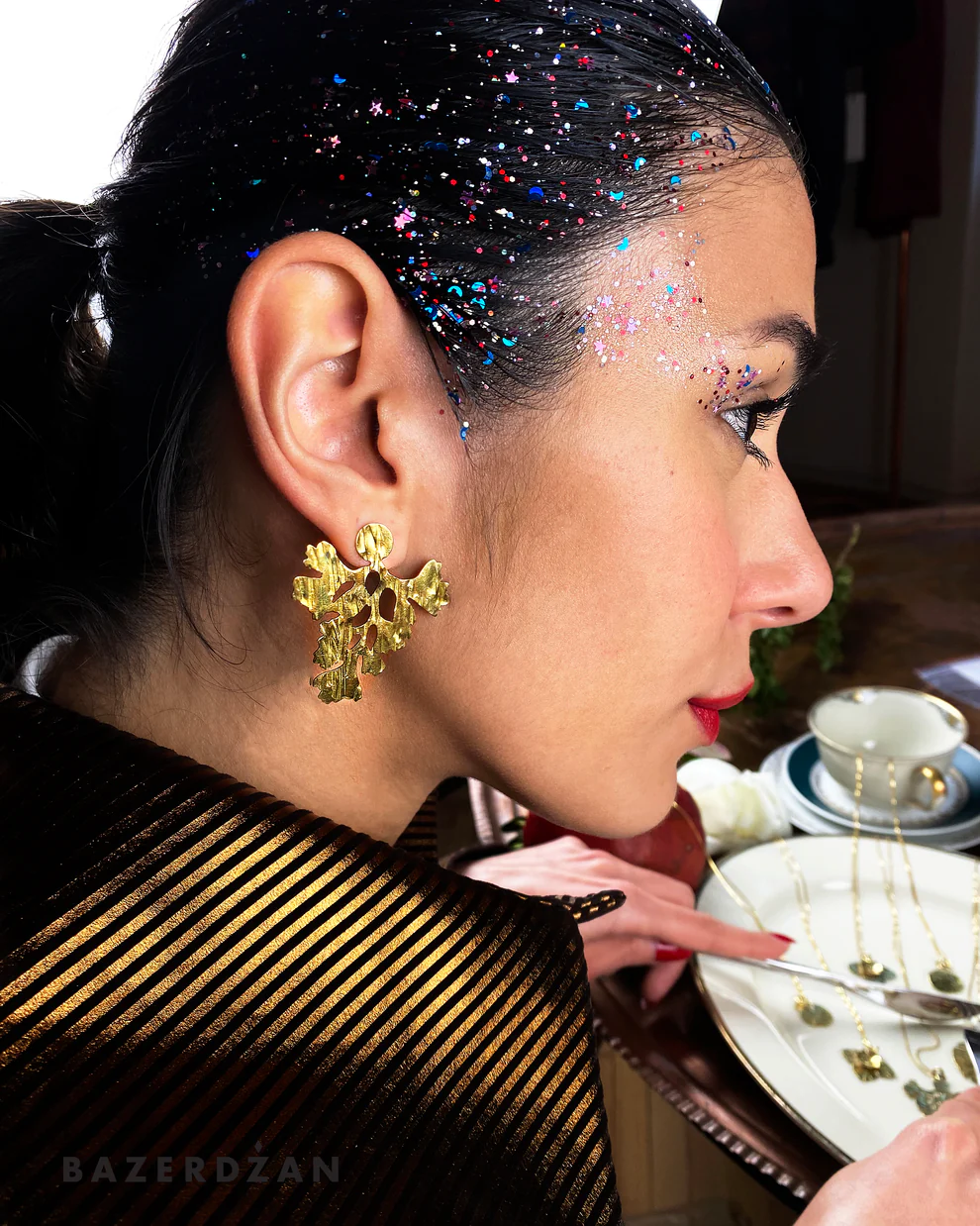
TYPE OF FERN (ASPLENIUM LEPIDUM) – LIMITED EDITION – “Guardians of Nature” Collection
A symbol of protection, renewal, and strength that grows in silence.
The Latin name of the genus Asplenium originates from the Greek word spleen, reflecting the belief that these plants could treat spleen disorders.
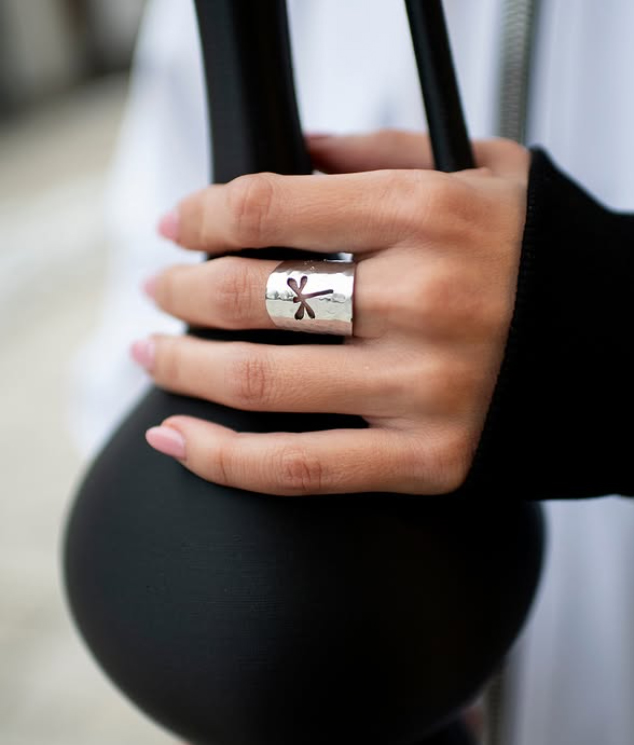
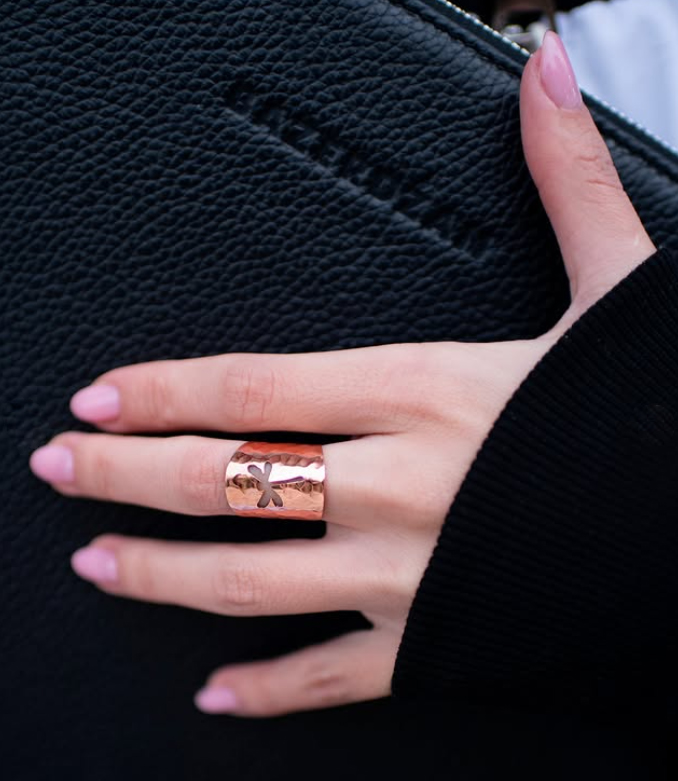
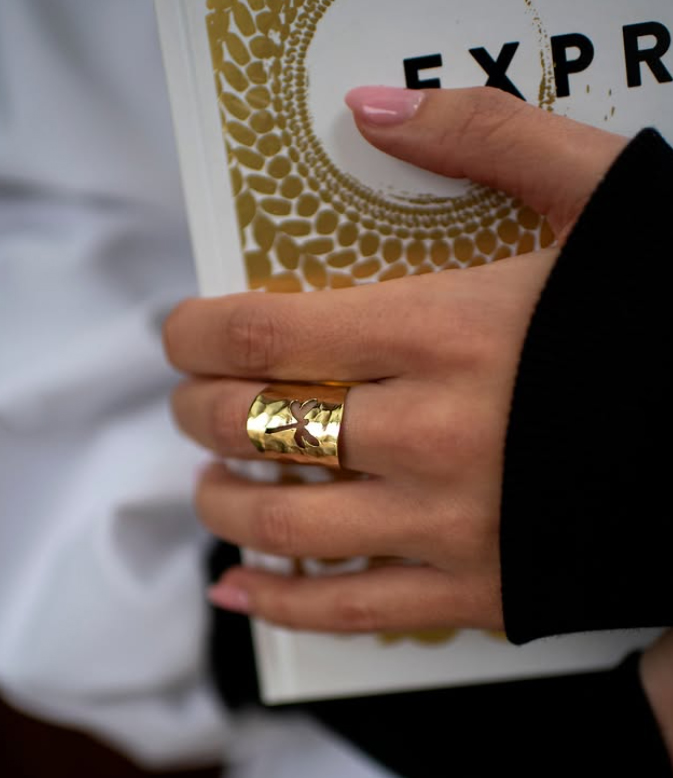
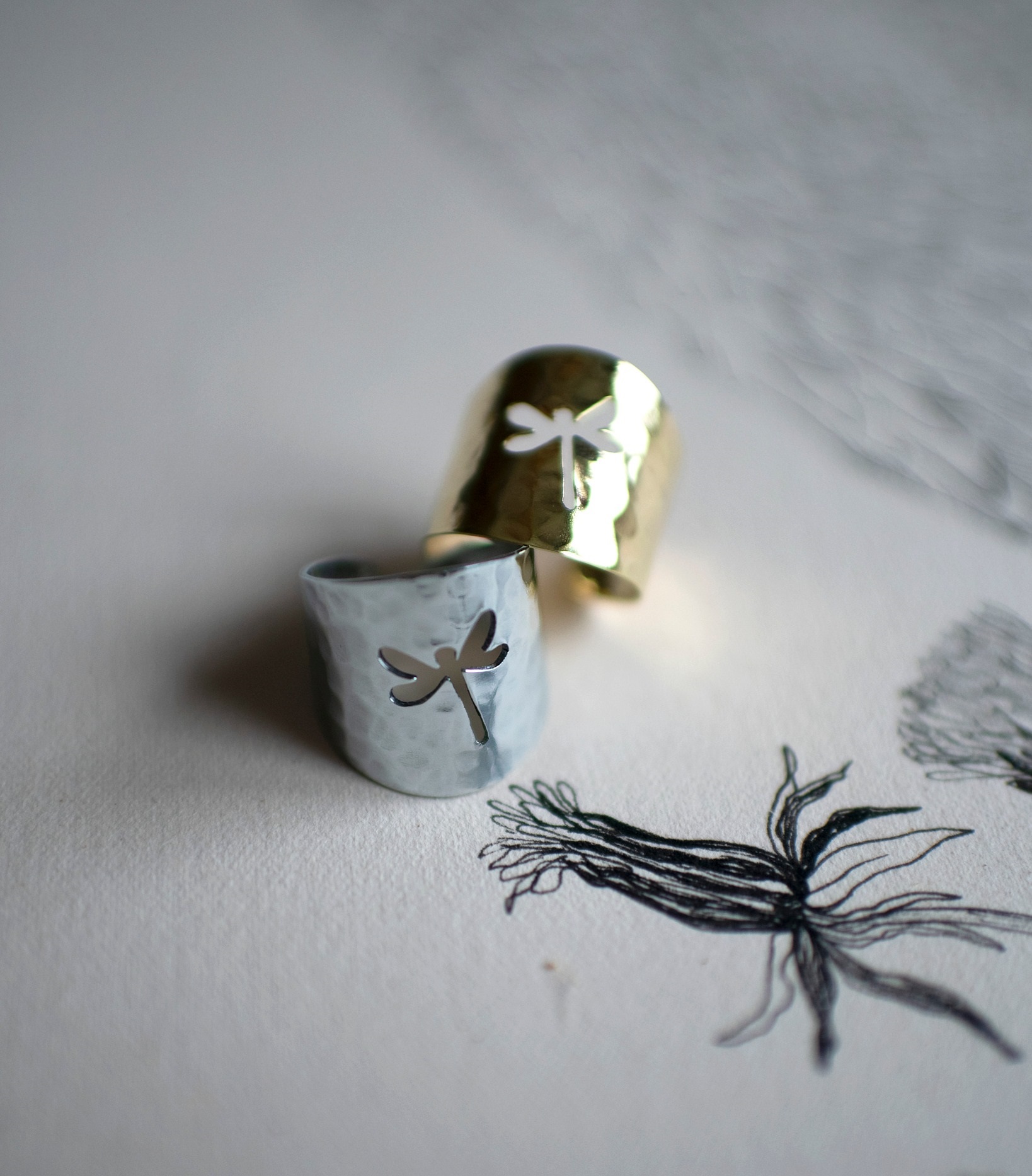
DRAGONFY (LESTES MACROSTIGMA) – “The Guardians of Nature” Collection
A symbol of transformation, freedom, and light.
The oldest known records of dragonflies in Bosnia and Herzegovina date back to the late 19th century, specifically to the year 1888, and can be found in the collections of the National Museum in Sarajevo. So far, 65 species of dragonflies have been recorded in Bosnia and Herzegovina, among which are two rare and endangered species, one of them being “Lestes macrostigma”, which can be seen in the region of southern Herzegovina.




OTHER JEWELRY PIECES
- Pendant “B&H MAP” – “Guardians of Heritage” Collection
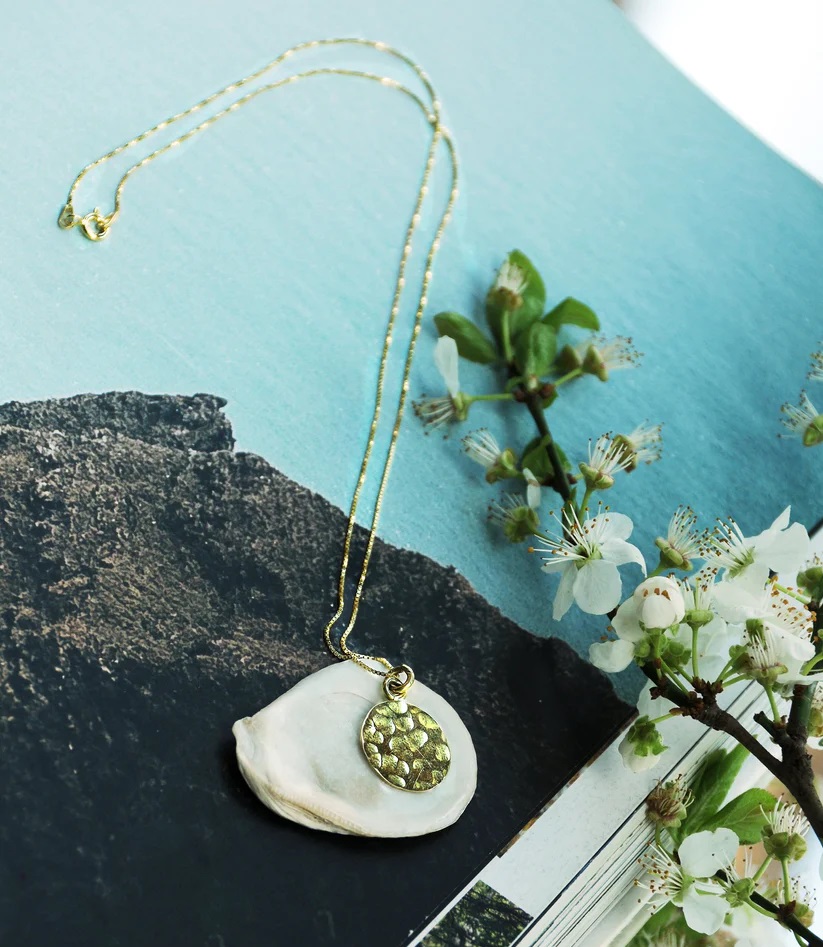
- Pendant and earrings “TRADITIONAL DUCAT COIN” – “Guardians of Heritage” Collection
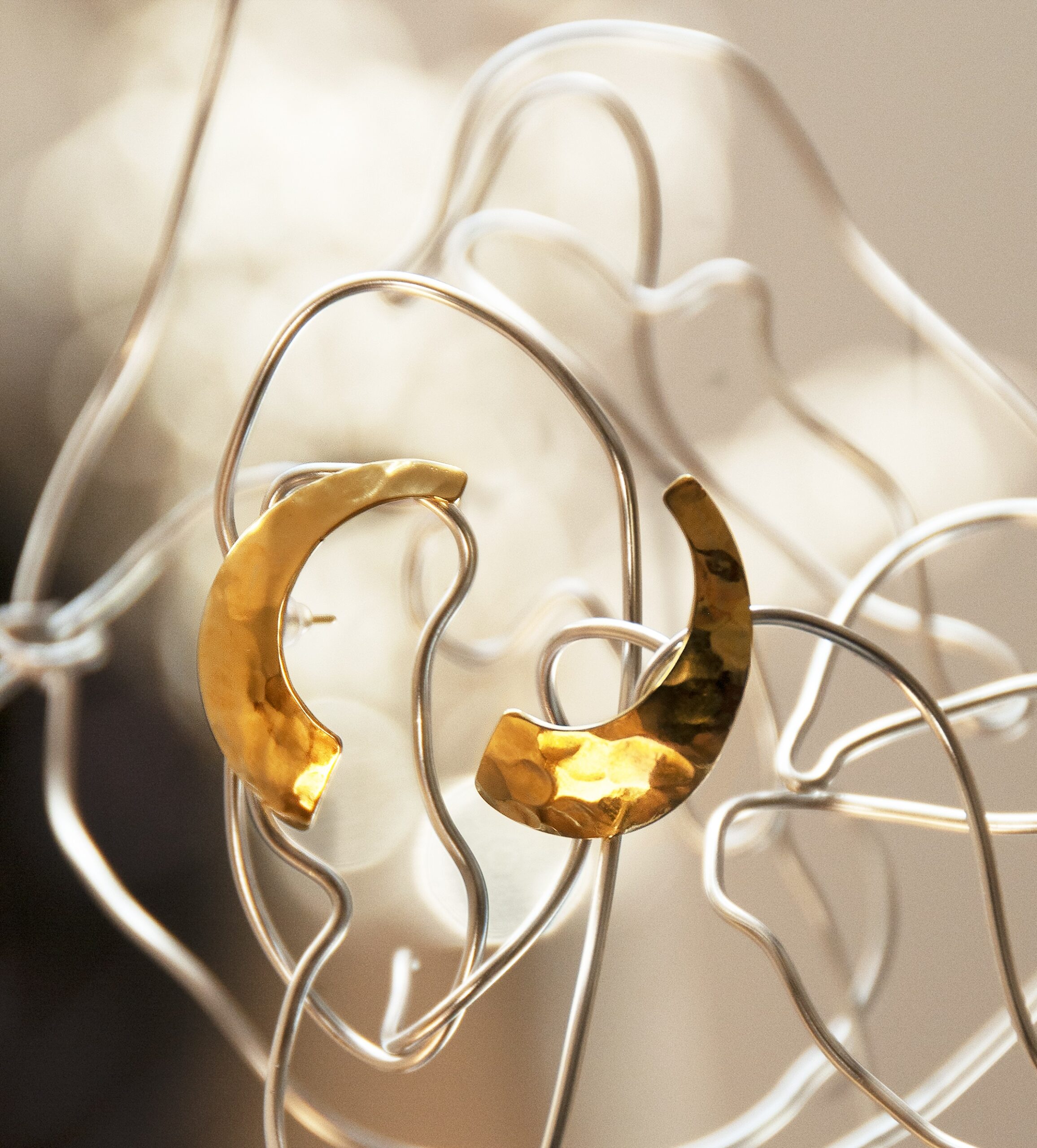
- Earrings “CIRCLES” – “Timeless Collection”
- Earrings “COMMA” – “Timeless Collection”
- Earrings and pendant “PHILODENDRON” – “Timeless Collection”
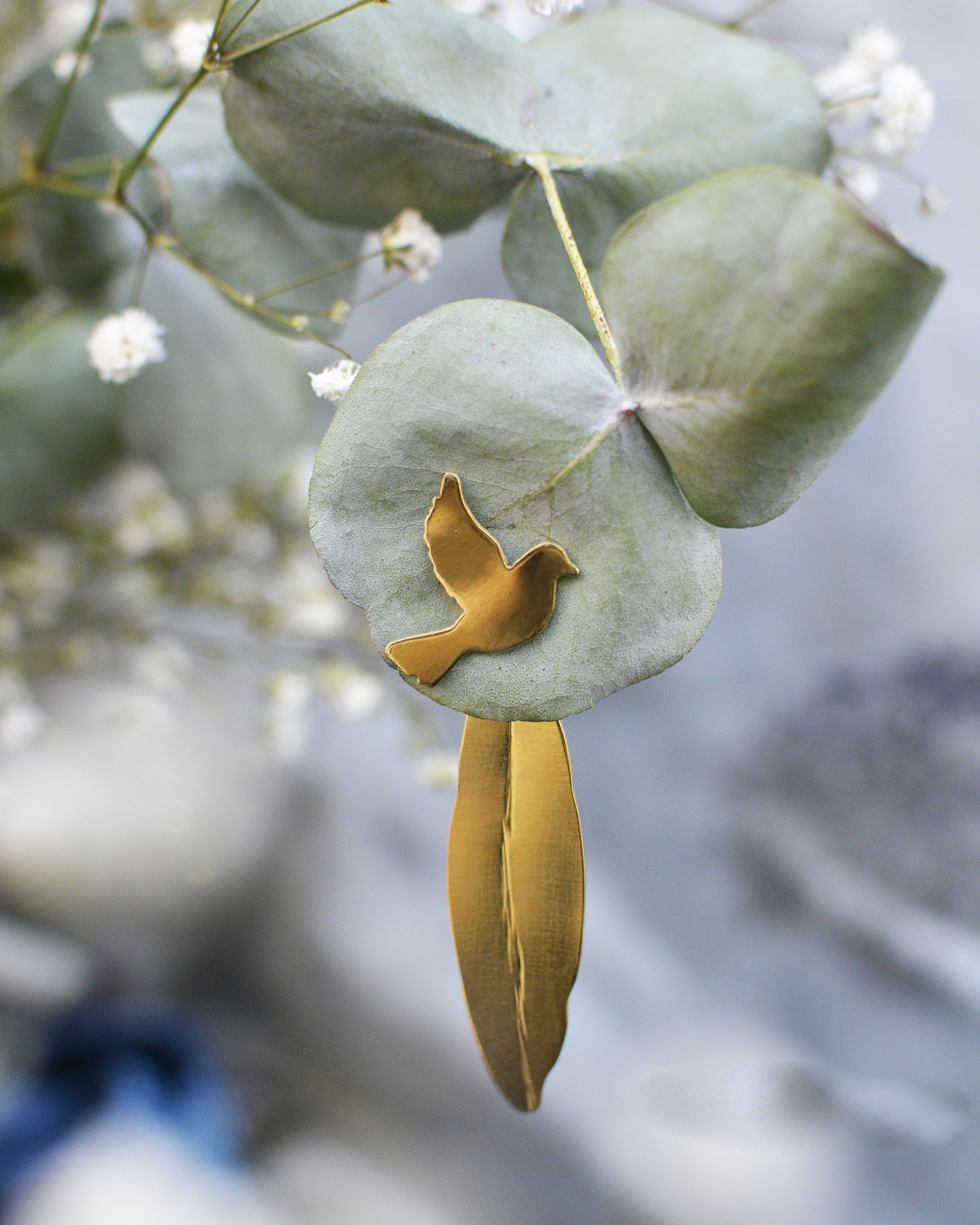
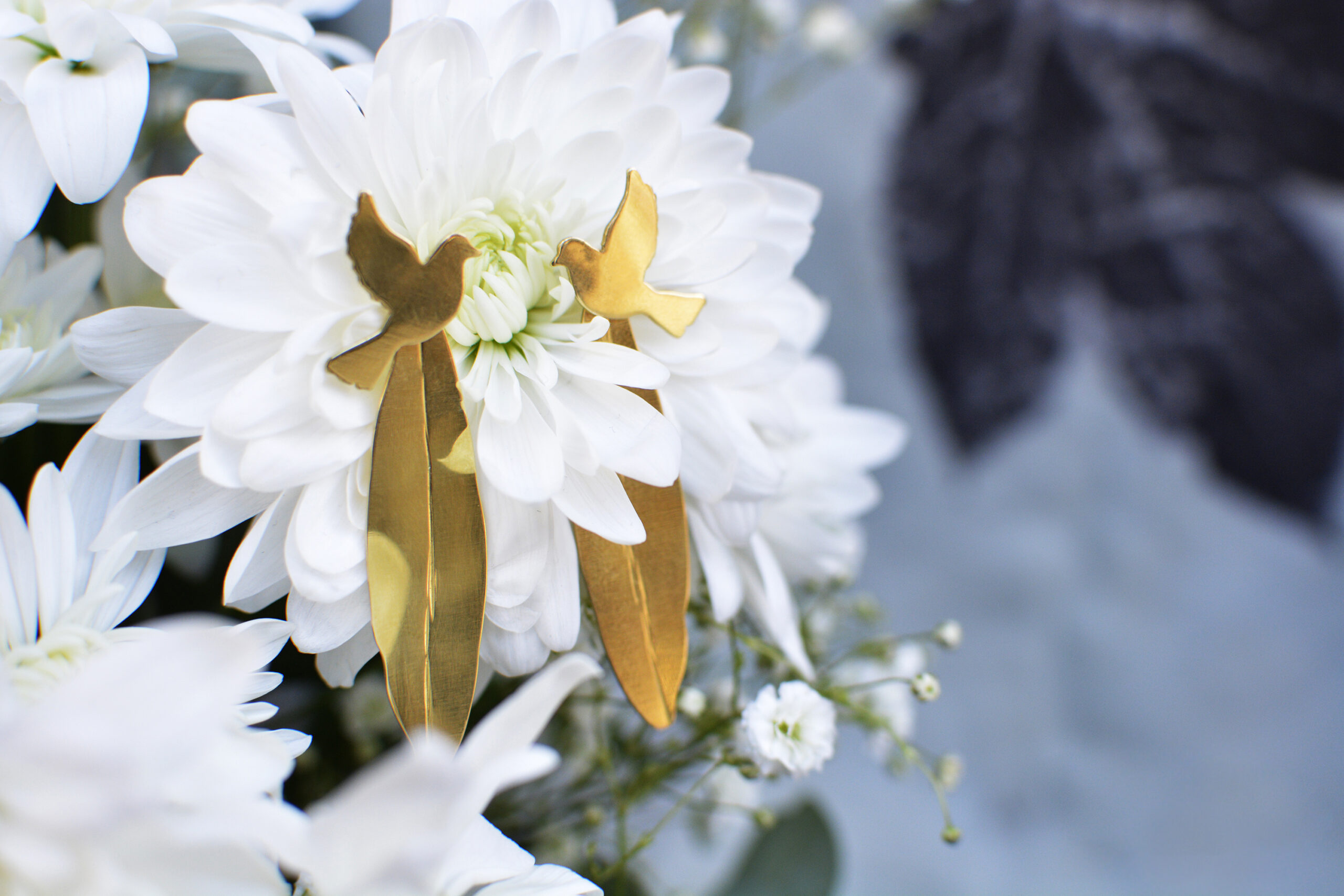
- Earrings “DOVE OF PEACE” – “Guardians of Heritage” Collection
- Earrings “HEARTS” – “Timeless Collection”
Every piece begins with a symbol. Its story continues with yours.
2026 Copyright by NATASHA RUBIS